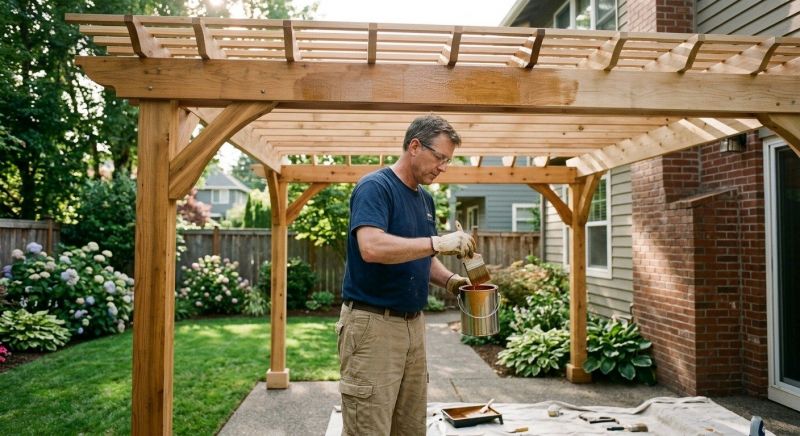
Gazebo Sealing in Seattle, WA
Gazebo sealing services involve applying specialized protective coatings to the surfaces of outdoor gazebos, ensuring they are resistant to water, moisture, and weather-related damage. This service is suitable for various projects, including wooden, vinyl, or metal gazebos, and aims to extend the lifespan of the structure while maintaining its appearance. Homeowners typically seek this service to prevent wood rot, rust, and deterioration caused by exposure to rain, snow, and humidity, especially in climates like Seattle’s where moisture levels are high.
Before requesting gazebo sealing, property owners usually want to understand the types of sealants used, how often re-sealing might be necessary, and whether the process will affect the gazebo’s appearance or finish. It’s also common to inquire about preparation steps, such as cleaning or repairs needed beforehand, to ensure the sealant adheres properly. Clear information about these aspects can help homeowners make informed decisions to protect their outdoor structures effectively.
Many property owners in Seattle, WA look into Gazebo Sealing for repairs, replacements, upgrades, and appearance-related improvements.
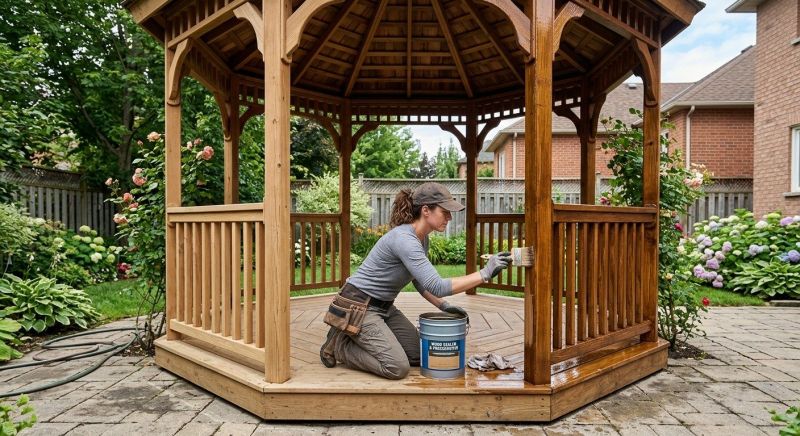
Maintaining A Dry Outdoor Space
Sealing a gazebo helps prevent water leaks and keeps the area dry during rainy seattle seasons.
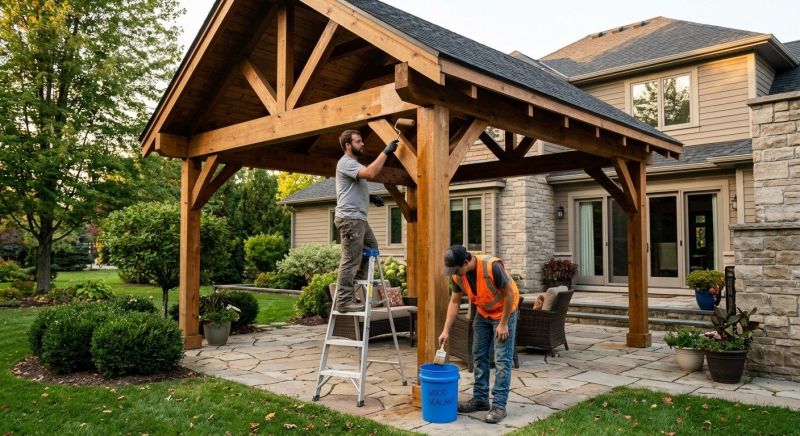
Protecting Structural Integrity
Proper sealing extends the lifespan of gazebo materials by shielding them from moisture and weather damage.
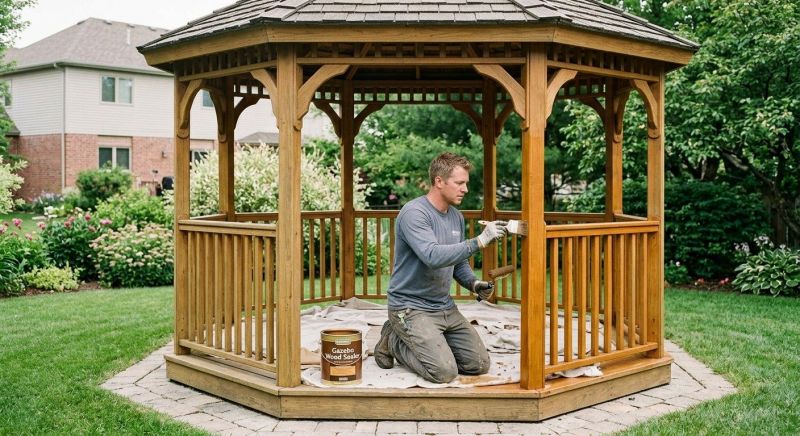
Enhancing Overall Appearance
Sealing can improve the look of your gazebo by preventing stains, mold, and mildew buildup over time.
Gazebo Sealing in Seattle, WA
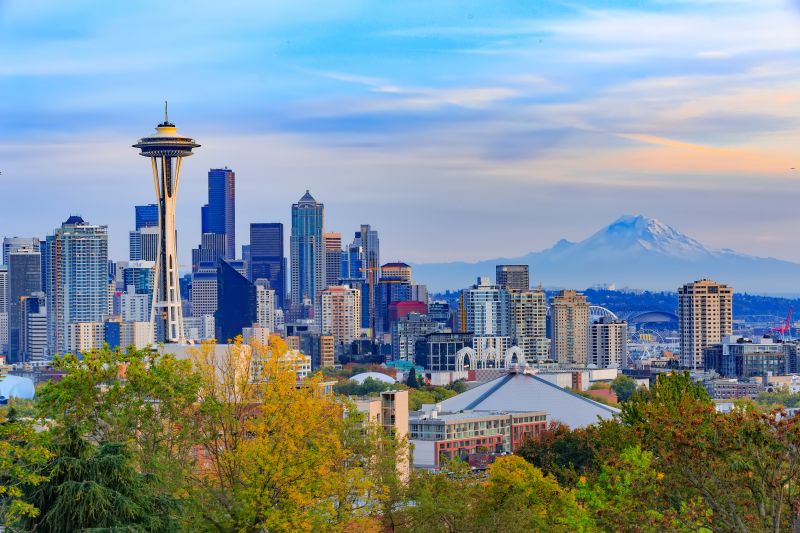
Gazebo sealing services involve applying specialized protective coatings to the surfaces of outdoor gazebos, ensuring they are resistant to water, moisture, and weather-related damage. This service is suitable for various projects, including wooden, vinyl, or metal gazebos, and aims to extend the lifespan of the structure while maintaining its appearance. Homeowners typically seek this service to prevent wood rot, rust, and deterioration caused by exposure to rain, snow, and humidity, especially in climates like Seattle’s where moisture levels are high.
Before requesting gazebo sealing, property owners usually want to understand the types of sealants used, how often re-sealing might be necessary, and whether the process will affect the gazebo’s appearance or finish. It’s also common to inquire about preparation steps, such as cleaning or repairs needed beforehand, to ensure the sealant adheres properly. Clear information about these aspects can help homeowners make informed decisions to protect their outdoor structures effectively.
Many property owners in Seattle, WA look into Gazebo Sealing for repairs, replacements, upgrades, and appearance-related improvements.
Common Gazebo Sealing Jobs
Gazebo sealing - prevents water from leaking into the structure and causing damage.
Weatherproofing - protects the gazebo from rain, snow, and moisture-related issues.
Crack and gap sealing - addresses small openings that can lead to drafts and water intrusion.
Surface sealing - preserves wood, vinyl, or metal surfaces against weathering and deterioration.
Leak repairs - fixes existing leaks to maintain the integrity of the gazebo.
Sealant application - involves applying high-quality sealants for long-lasting protection.
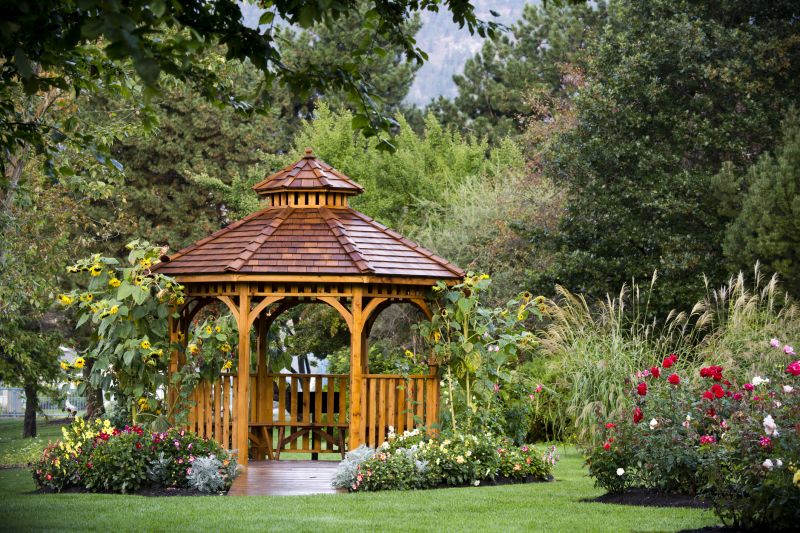
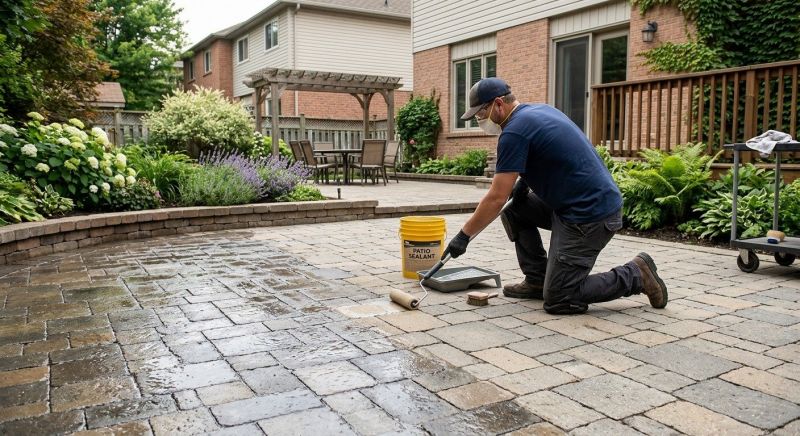
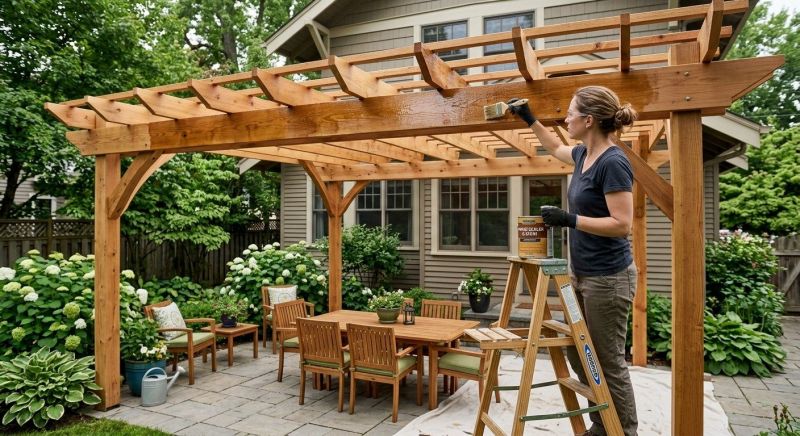
Gazebo Sealing Questions
What is gazebo sealing? Gazebo sealing involves applying protective materials to prevent water leaks and damage caused by weather exposure.
Why is sealing a gazebo important? Sealing helps preserve the structure, prevents wood rot, and maintains the gazebo’s appearance over time.
What types of sealants are used for gazebos? Common sealants include waterproof coatings, sealant paints, and specialized wood preservatives designed for outdoor use.
When should a gazebo be resealed? Resealing is recommended when signs of wear, cracking, or leaks appear, typically every few years depending on weather conditions.
Request Gazebo Sealing in Seattle, WA
Use the quote form on this page to share the basics of your project and request more information for the type of work you need.